

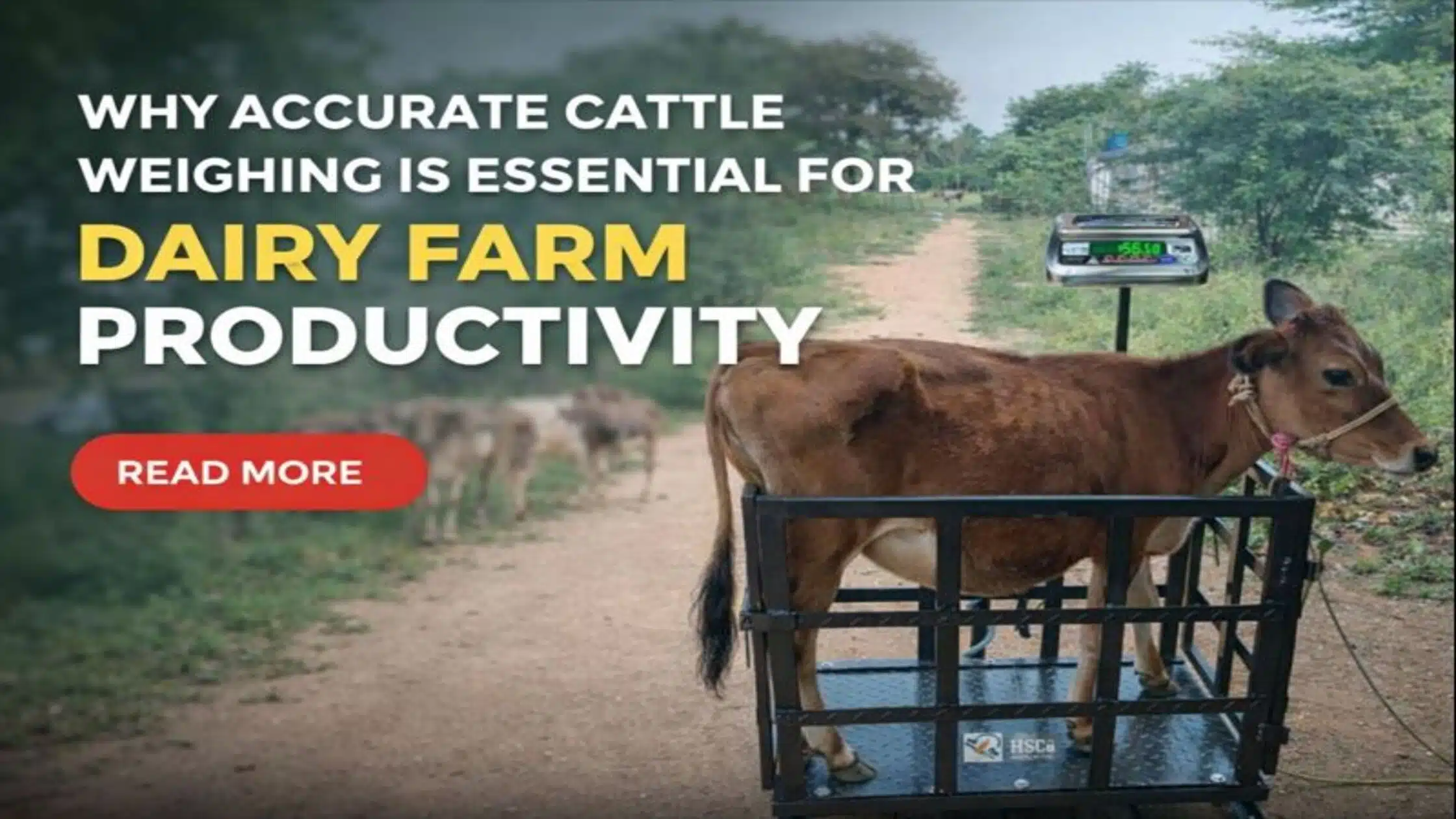
It is not easy to run a dairy farm. You need to pay attention to the little things. Be dedicated and know exactly what your herd needs every day. One important thing that people often forget about when running a dairy farm is how important it is to weigh the cows correctly. Knowing the weight of your cows and bulls may seem like a small thing. But it can make or break the productivity and profitability of your farm.
Cattle weighing scales for dairy farms
Compare HSCo's animal husbandry scales for cattle weighing. Send the expected loads and available space so the team can advise on the model and platform. See animal husbandry scales
In this blog post, HSCo highlights why accurate cattle weighing is crucial for dairy farming success. We’ll explore how it improves animal health, breeding decisions, and feed management to help farms perform at their best. Let’s get started.
How Weighing Cows Affects the Output of Dairy Farms
Why Weight is Important: The Basics
Most likely, the first things that come to mind when you think of a dairy farm are the cows, the milk, and the buildings. But don’t forget that dairy farming is a business, and like any other business, keeping track of performance metrics is important for success. The weight of cattle is an important performance indicator that helps farmers make smart decisions about many parts of their business.
The weight of the cattle affects many parts of farm management, such as:
- Managing Feed: Cows need the right amount of feed to stay healthy, work hard, and make milk. Data on weight helps make sure cows get the right amount of food.
- Health Monitoring: Losing weight quickly can be a sign of health problems like infections, parasites, or bad digestion.
- Breeding Management: The weight of cows can help you figure out the best time to breed them, which will make it more likely that they will get pregnant.
Effect on Feed Efficiency
One of the most important ways that weighing cattle correctly can help your farm is by making feed more efficient. Like all animals, cows need different amounts of food based on how much they weigh. You can better plan their diet to make sure they get the right nutrients for healthy growth and milk production if you know their exact weight.
A heavier cow, for example, needs more food to keep her weight and milk production up. If you don’t know her weight exactly, you might not give her enough food or too much, which could cause problems like low milk production or extra fat.
When you keep track of your weight accurately, you can make more accurate calculations about how much feed you need, which leads to better feed conversion ratios. Not only does this increase productivity, but it also helps cut down on food waste, which can save you money. Better Health Monitoring and Finding Illnesses Early.
One of the first signs of a health problem in cattle can be that they lose weight. Finding these problems early on is very important for the health of your herd, whether they are mild infections or more serious conditions like metabolic disorders or hoof diseases.
Weighing yourself regularly lets you see any changes in your weight, so you can take action before a small problem turns into a big one. For instance, if a cow starts to lose weight for no apparent reason, you can quickly get help from a vet or change her diet, which could save her life or stop a problem from spreading to the whole herd.
The same idea works for gaining weight as well. Cows that are gaining weight quickly may be at risk of getting diseases like fatty liver disease, which can hurt their health and productivity. Keeping an eye on weight trends helps keep the herd healthy. Which has a direct impact on milk production.
Breeding and Reproduction: How Weight Affects Cattle Fertility
Weight is a key factor in the decisions you make about breeding on your dairy farm. Cows are more likely to have successful pregnancies when they are at their ideal weight. But cows that are overweight or underweight may have trouble getting pregnant and may have longer calving intervals, which lowers the overall productivity of the farm.
You can better time insemination by keeping track of how much weight your cattle are gaining. When a cow is at her ideal weight, she is in the best shape to breed. This can lead to more pregnancies and a more steady supply of milk all year long.
Knowing the exact weight of bulls also helps keep track of their weights. Like cows, bulls need to be at the right weight to do well in breeding programs. It’s just as important to make sure your bulls are healthy and fit as it is to make sure your cows are.
How Weight Affects Milk Output: Productivity Gains
You might be surprised by how much a cow’s weight affects how much milk she makes. Research has shown that cows that are at the right weight tend to make more milk than those that are too fat or too thin.
The body needs energy to make milk, so a cow that is underweight may have trouble meeting the demands of lactation, and an overweight cow may not have enough energy to make milk. Keeping track of your cows’ weight accurately helps make sure they are in the best shape to make milk.
On the other hand, cows that are too thin may need extra nutrients to help them produce milk. Weighing your cows can help you figure out which ones need extra care to make sure they are getting the right food at the right time.
Keeping From Overfeeding and Underfeeding
Overfeeding or underfeeding animals can cost cattle farms a lot of money. You can tell which cows need more food and which ones may need to change how much they eat by weighing them on a regular basis. This also helps cut down on waste because farmers can better manage the feeding process, which leads to better management of feed costs.
Farmers can make sure that their cows stay healthy and able to produce milk and have babies by keeping an eye on their weight.
How to Get the Right Weight for Cattle
If you want to use accurate cattle weighing to make your farm more productive, you need to set up a system that makes it easy to keep track of each animal’s weight on a regular basis.
How to Use Scales to Weigh
You can buy a lot of different types of cattle scales. The most common type is the platform scale. They let cows walk onto a big platform, where they can weigh them. For smaller farms, handheld scales or mobile apps that work with Bluetooth weight systems can be useful.
Adding Weight Information to Farm Management Software
Once you start weighing your cows, you can save the information in farm management software. This lets you see how things change over time, which makes it easier to find problems with a single cow or your whole herd.
A lot of modern software systems also have tools for setting weight goals, keeping an eye on feed conversion rates and automating other parts of farm management, which makes things run more smoothly.
Conclusion
In the fast-paced world of dairy farming, weighing your cows accurately is a simple but powerful way to boost the productivity of your farm as a whole. You can improve feed management, keep better track of health, get better breeding results, and make more milk by keeping track of the weights of your cattle. These changes will help you run a more profitable and long-lasting dairy farm in the long run.
FAQs
1. How often should I check the weight of my cattle?
Weighing cattle at least once a month is a good idea, but if you have health or breeding concerns about a cow, you may need to weigh it more often.
2. Is it possible to weigh cattle with a regular scale?
Regular scales aren’t good for weighing big cattle, but specialized platform scales made for livestock are the best way to get an accurate weight.
3. How does weighing cattle correctly affect the profitability of my farm?
Accurate weighing can help cows be more productive by making sure they are fed properly, bred at the right time, and kept healthy. This lowers costs and raises milk production.
4. What should a dairy cow weigh?
A healthy adult dairy cow should weigh between 1,000 and 1,500 pounds, but the ideal weight depends on the breed, age and stage of lactation.