

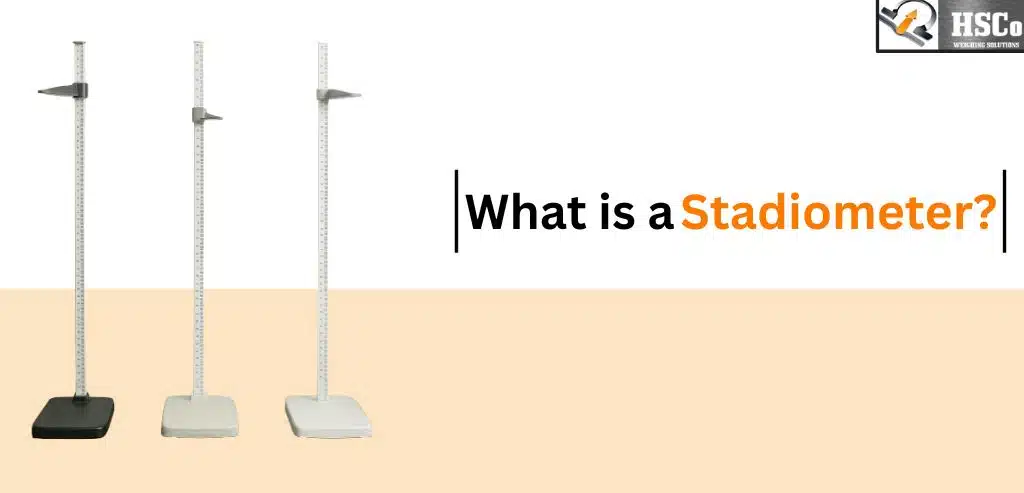
A stadiometer is an instrument for measuring standing height: a vertical ruler with a sliding headpiece lowered onto the head. Hospitals, clinics, schools and gyms use it for height records. Correct positioning and a stable instrument matter when comparing readings over time.
Buy a stadiometer
HSCo's portable height measuring scale stadiometer: 20 to 210 cm, 1 mm graduation, centimetres and inches, four sections for transport. Ask for the current ex-GST price. See the stadiometer
The parts of a stadiometer
The vertical ruler carries graduations in centimetres or inches. The headpiece slides down the ruler and rests on the head, fixing the point to read. The base or wall mounting holds the ruler upright. Follow the assembly instructions for the model.
How a stadiometer is used
The person removes shoes, hat and bulky hair accessories and stands with the back to the ruler: heels, buttocks, shoulders and head aligned, feet flat, arms relaxed and eyes looking ahead. The operator lowers the headpiece gently until it rests flat on the head, reads the ruler at eye level and records the figure with its unit. Slouching or a tilted head can change the reading.
Where a stadiometer is used
Hospitals and clinics use a stadiometer for child growth records and adult check-ups. Schools use it for health screening. Gyms and wellness programmes use height and weight together to calculate BMI; research studies use height measurements as part of participant records.
Types of stadiometer
Wall-mounted. Fixed to a clinic or ward wall for measurements in one location. Check that it is mounted securely before use.
Portable or folding. Stands on the floor and folds or comes apart for transport: home visits, school screening and health camps. It needs a flat, stable surface and correct assembly.
Digital. Sensors measure height and show it on a display. The instrument needs power; positioning and correct use still matter. The digital option listed by HSCo is the BMI machine with printer, with ultrasonic height measurement and a 200 kg weighing platform.
Where to buy a stadiometer
Hindustan Scale Company (HSCo) supplies a height measuring scale stadiometer with a stated range of 20 to 210 cm, 1 mm graduation, centimetres and inches, and four sections for transport. Ask for the current price through the product page, on +91-7045922250 or through the site’s WhatsApp widget. For a baby who cannot stand, the infantometer measures lying length up to 90 cm.


स्टेडियोमीटर क्या है?
स्टेडियोमीटर वह यंत्र है जिससे खड़े इंसान की लंबाई नापी जाती है। इसमें एक सीधी पट्टी होती है, जिस पर सेंटीमीटर और इंच के निशान बने होते हैं, और एक सरकने वाला हेडपीस। जूते उतारकर, पट्टी से पीठ लगाकर सीधा खड़ा होना होता है। हेडपीस को धीरे से नीचे लाकर सिर पर टिकाते हैं, और जहाँ वह पट्टी पर रुकता है, वही लंबाई है।
अस्पताल, क्लिनिक, स्कूल और जिम में इससे लंबाई का रिकॉर्ड रखा जाता है। बच्चों की बढ़त और बड़ों के रूटीन चेक-अप में यह काम आता है। BMI के लिए लंबाई के साथ वजन भी अलग से लेना पड़ता है। सही नाप के लिए यंत्र स्थिर हो और व्यक्ति सीधा खड़ा हो।
तीन तरह के मिलते हैं: दीवार पर लगने वाला, फोल्ड होकर साथ ले जाने वाला, और डिजिटल, जो स्क्रीन पर लंबाई दिखाता है। HSCo पर उपलब्ध पोर्टेबल मॉडल 20 से 210 सेंटीमीटर तक नापता है, 1 मिलीमीटर के निशान के साथ, और चार हिस्सों में खुल जाता है। नवजात बच्चों के लिए अलग इन्फैंटोमीटर आता है।
Stadiometer: questions people ask
What is a stadiometer?
A stadiometer is an instrument for measuring standing height. A manual model has a vertical ruler and a sliding headpiece lowered onto the head. Clinics, schools and gyms use it for height records. HSCo supplies a portable model; correct assembly, posture and reading technique matter when taking measurements.
What does a stadiometer measure?
A stadiometer measures standing height. The portable model listed by HSCo covers 20 to 210 cm, with 1 mm graduations and readings in centimetres or inches. It does not weigh the person. An infantometer measures a baby’s length lying down; the listed infantometer measures up to 90 cm.
What are the parts of a stadiometer?
A manual stadiometer has a graduated vertical ruler, a sliding headpiece and a base or wall fixing. The headpiece marks the height on the ruler. The portable model listed by HSCo comes apart into four sections and is supplied with an English assembly manual. Check its assembly before taking readings.
What is a stadiometer used for?
A stadiometer is used for standing-height measurements in child growth records, adult check-ups, school screening and research. Gyms can use the height with a separate weight reading to calculate BMI. HSCo supplies a portable height measure for adults and children aged 24 months and above, as stated in its product description.
What is the difference between a stadiometer and a height measuring scale?
HSCo uses both names for its portable standing-height instrument. A stadiometer measures height; it does not necessarily include a weighing scale. The separately listed BMI machine with printer measures height and weight. Choose according to whether you need a height reading alone or a combined height-and-weight instrument for your records.
How much does a stadiometer cost in India?
Ask HSCo for the current price of its portable stadiometer. The listed instrument measures 20 to 210 cm and comes apart for transport. State the quantity and delivery location in your enquiry, and ask the quotation to confirm the supplied model, specifications and price excluding GST.