

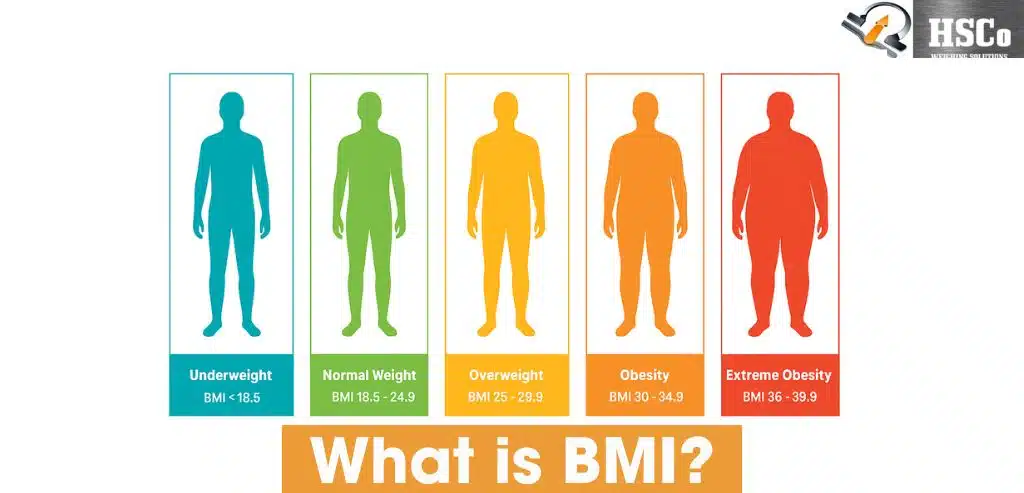
What is BMI (Body Mass Index)?
BMI, or Body Mass Index, is an easy and popular way of measuring if the weight of a person is within a healthy zone. It is calculated based on an individual’s weight and height and aids in establishing if a person is underweight, normal, overweight, or obese. Although BMI does not measure body fat, it acts as an indicator of potential health risk associated with being underweight, or overweight. It’s commonly used in hospitals and among people tracking their physical fitness or weight loss objectives. BMI is useful to evaluate body composition and is critically important in monitoring health issues such as obesity, malnutrition, and metabolic risk. While it isn’t perfect, it provides a quick details of your health status.
See the BMI machine with printer
HSCo's BMI machine with printer combines ultrasonic height measurement with a 200 kg weighing scale and Bluetooth. For gyms, hospitals and clinics; price on request. See the BMI machine
How is BMI calculated?
The formula for calculating BMI is simple:
BMI = Weight (kg) / Height (m²)
Example:
If a person weighs 70 kg and is 1.75 meters tall, the calculation would be:
BMI = 70 / (1.75 x 1.75) = 22.86
A BMI of 22.86 falls in the “normal weight” range.
Online BMI calculators also exist whereby you can easily get your BMI calculated without the need to perform the calculation yourself. Devices like a BMI Bluetooth scale are also efficient and precise, allowing daily monitoring with smartphone connectivity.
BMI Chart & Categories: What Do the Numbers Mean?
Understanding the numbers behind your BMI can assist you in measuring whether you’re at a healthy weight range. Here are the key BMI categories:
- Underweight: Below 18.5
- Normal weight: 18.5–24.9
- Overweight: 25–29.9
- Obesity: 30 and above
Health Risks and Concerns:
- Underweight: May indicate malnutrition, weakened immune system, or other health issues.
- Normal weight: Shown to lower the risk of heart disease, diabetes, and other chronic diseases.
- Overweight: Increased risk of metabolic diseases such as type 2 diabetes, heart disease, and hypertension.
- Obesity: Serious health concerns such as stroke, heart disease, and joint issues.

Why is BMI Significant to Your Health?
BMI is an important health screening tool because it helps determine the risks of health ailments. Those with high BMI values are at a higher risk for serious diseases including:
- Heart disease
- Type 2 diabetes
- Stroke
- Obesity-related disorders such as sleep apnea
Though BMI does not specifically measure body fat, or other elements such as muscle mass, it is still an accepted method for rapidly determining weight-related health risks and overall metabolic health.
Limitations of BMI: What It Doesn’t Tell You
Despite its usefulness, BMI has some limitations:
It doesn’t measure body fat directly: Individuals with a high muscle mass (e.g., athletes) can have a high BMI but not a high amount of body fat.
Doesn’t take into account age, sex, or fat distribution: BMI does not distinguish between lean muscle and fat tissue, nor does it consider the distribution of fat on the body (e.g., fat around the stomach vs.hip fat).
It will misclassify some people: older people might have a good percentage of body fat but an elevated BMI due to muscle loss throughout life.
For a better idea of your health, use something else such as body fat percentage or waist-to-hip ratio.
Alternatives to BMI to Measure Body Health
While BMI is a good beginning, there are other ways that helps to measure body composition:n
Body Fat Percentage: Quantifies the percentage of fat in your body, giving a better representation of body composition.
- Waist Circumference: A greater waist circumference may indicate a higher risk of heart disease and type 2 diabetes particularly in individuals with more abdominal fat.
- Waist-to-Height Ratio: More accurate than BMI for some, this ratio is waist measurement to height and provides a more accurate estimation of fat distribution.
- DEXA Scan or BIA: Tools like Dual-Energy X-ray Absorptiometry (DEXA) scans or Bioelectrical Impedance Analysis (BIA) can provide an in-depth look at your body fat percentage and muscle mass.
These methods are especially useful for individuals who may have a higher muscle mass or for those looking for more personalized health assessments.
Tips for Having a Healthy BMI
Keeping your BMI healthy means maintaining of regular habits and lifestyle. Listed below are tips for enhancing and maintaining your BMI:
Following a healthy diet: Concentrate on whole foods, vegetables, fruits, lean proteins, and healthy fats to nourish your metabolism, and overall well-being.
Remaining physically active: Regular physical activity, such as aerobic exercises and strength training, may keep you in a healthy weight range.
Getting regular health check-ups: Monitor your progress and discuss your health goals with your healthcare provider to ensure you’re on track.
Managing stress and sleep: High levels of stress and poor sleep have a negative effect on your metabolism and weight, so get good sleep hygiene and stress-reducing behaviors like meditating or yoga.
It’s small changes over time that can lead you to and through a healthy BMI and ideal weight.
Frequently Asked Questions (FAQ) on BMI
Some of the commonly asked questions concerning BMI include:
Is BMI accurate for all people?
BMI is not always a reliable measure for athletes or individuals with high muscle mass because it does not differentiate between muscle and fat.
Can I be healthy with a high BMI?
Whereas BMI is a sign body fat percentage, fitness level and general health are also very influential factors. A higher BMI, does not always mean poor health, but it may suggest that there could be some risks.
What is a healthy BMI in women/men?
A BMI of 18.5 to 24.9 is normal for both women and men. Body composition can vary between the sexes and with age.
Does age affect BMI?
Yes, muscle mass decreases and fat mass increases with age. This may lead to changes in BMI even when weight does not change.
How frequently should I measure my BMI?
It’s a good to check your BMI regularly, especially if you’re changing your lifestyle or working on fitness goals. But don’t get too hung up on the numbers work as it is a component of a comprehensive approach to health.
Final Thoughts: Is BMI Right for You?
BMI is a helpful screening tool to establish weight, and health risk but it is important to remember that it does not offer a complete picture of an individual’s overall health.
Although BMI scale is widely used and convenient, it should be viewed together with other measures such as body fat percentage, fitness level, and lifestyle. Always get your advice and health evaluation from a healthcare professional.
If you know BMI and how it is connected with your health, you can make better choices regarding your weight control and overall health path.
Check out BMI Scales