


Keypad viscometers are widely used in laboratories and factories due to their ease of use, dependable performance and accurate results. But they can make mistakes if you don’t use them right, just like any other precise tool. You can avoid a lot of service calls and trouble by knowing what common mistakes are and how to fix them. In this guide, we’ll go over common mistakes, talk about why they happen and give you useful tips on how to avoid them. These steps can help you save time, cut down on stress, and keep your lab running smoothly.
Need advice on a viscometer fault?
See HSCo's density and viscosity meters. Send the model and error details for advice before deciding whether a replacement is needed. See HSCo viscometers
Getting to Know Keypad Viscometers
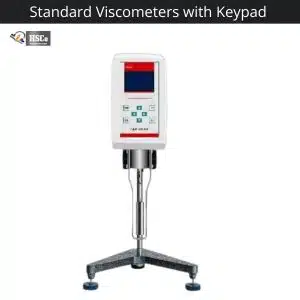
Before talking about mistakes, it’s good to know how keypad viscometers work. These tools measure viscosity by spinning a spindle in a fluid and figuring out how hard it is to move. You can use the keypad interface to:
- Choose the type and size of the spindle
- Set the speed of rotation
- Measurements of start and stop
- Look at the readings
Even small mistakes in setup, use or upkeep can cause readings to be inconsistent, overload messages, or other problems.
Common Mistakes and What Causes Them
1. Unstable or Fluctuating Readings
Signs:
- The viscosity value changes quickly or doesn’t stay the same.
- There are big differences in the readings from test to test.
Some of the most common causes are:
- The spindle is wrong for the viscosity of the sample.
- Incorrect depth of spindle immersion
- The temperature of the sample is not stable.
- Bubbles of air in the liquid
How to Fix:
- Choose a spindle that works with the range of viscosities in your sample.
- Follow the instructions from the maker to make sure the spindle is completely under water.
- Let the sample cool down to a stable temperature before testing it.
- To get rid of air bubbles, stir the sample or let it sit.
2. Too Much Torque
Signs:
- While a test is going on, the viscometer either shows an overload error or stops working.
- The spindle won’t move.
Some common reasons are:
- The spindle and speed you chose don’t work with the sample’s thickness.
- Using a spindle that is bent or broken
- Sample volume is too high or the container is too small.
How to Fix:
- Change to a spindle that can handle thicker liquids.
- Slow down the rotation if you want to get between 10% and 90% torque.
- Check the spindle for damage and replace it if necessary.
- Check that the size of the container and the amount of the sample are correct.
3. Readings that are zero or very close to zero
Signs:
- The viscometer says that the viscosity is zero or very low.
- The results are not what we thought they would be.
Some common reasons are:
- The spindle isn’t connected right or is slipping.
- The spindle you chose is too thin for the sample.
- Instrument not set up correctly
How to Fix:
- Before you start measuring, make sure the spindle is secure.
- Use a spindle that is made for liquids with low viscosity.
- Use standard viscosity fluids to check the calibration.
4. Inaccurate or Inconsistent Test Results
Signs:
- The same test gives different results each time.
- Quality control charts show changes that weren’t expected.
Some of the most common causes are:
- Changes in temperature of the sample
- Spindle that is dirty or contaminated
- Handling of samples is not consistent.
- Wrong speed of rotation
How to Fix:
- Keep the temperature steady while testing.
- Before each test, make sure to clean the spindle well.
- Handle samples in a consistent and gentle way.
- Make sure that the speed setting is right for the method.
5. Buttons on the keypad don’t work or don’t respond
Signs:
- Buttons don’t work or settings go back to default
- The screen freezes while it is working.
Things that happen a lot:
- Moisture or spills on the keypad
- Dust or debris that has built up
- Wear and tear from using it a lot
How to Fix:
- Use a soft, dry cloth to clean the keypad often.
- Do not touch the keypad with gloves that are wet or sticky.
- If you use it in a dusty or humid place, think about getting a cover for it.
- If the buttons keep not working, get in touch with service support.
6. Mistakes in calibration
Signs:
- The readings from the viscometer are always wrong.
- Standard fluids give wrong numbers.
Some common reasons are:
- Not calibrating regularly
- Using standard fluids at the wrong temperature
- Not following the manufacturer’s instructions for calibration
How to Fix:
- Check your calibration on a regular basis according to your lab schedule.
- Make sure that standard fluids are at the right temperature before you test them.
- Follow the calibration instructions exactly as they are written.
How to Avoid Common Keypad Viscometer Mistakes
- Always clean the spindles. Dirt or dried samples can make readings very wrong.
- Check the torque and speed: Make sure the spindle and speed you choose are right for the viscosity of the sample.
- Keep the temperature stable: Viscosity changes with temperature, so keep the lab conditions the same.
- Document settings: For each test, write down the spindle, speed, and temperature so you can find mistakes.
- Routine calibration: Make sure your viscometer is always accurate by calibrating it on a regular basis.
Conclusion:
Keypad viscometers are reliable and simple to use, but if you don’t pay attention to the details, you could make a mistake. If you know about the most common problems, like fluctuating readings, torque overload, zero readings, keypad malfunctions and calibration errors, you can troubleshoot well and avoid making unnecessary service calls. If you follow some simple rules, like picking the right spindle, keeping the temperature stable, cleaning it, and calibrating it often, your viscometer will work well and give you results that are always the same. Not making as many mistakes not only saves you time and money, but it also makes you more confident in your lab results, audits and production decisions.
FAQs
How often should I calibrate a viscometer with a keypad?
You should calibrate your device every three to six months, or whenever you notice that the readings aren’t consistent.
Can a broken spindle make the torque too high?
Yes. A broken or bent spindle can make things harder and cause overload errors. Before you use them, check the spindles.
Why do my readings change when I use the same sample?
Air bubbles, an inconsistent sample temperature, or the wrong spindle for the fluid’s viscosity can all cause fluctuations.
Can you use one spindle for all fluids?
No. Viscosity ranges vary between different fluids. When you use only one spindle, you might make mistakes with samples that are either very thick or very thin.
How can I keep my keypad from getting damaged?
Stay away from spills, moisture, and dust. If you need to, use protective covers and clean the keypad often with a soft, dry cloth.