


Having the right scale for the job can make a big difference when it comes to weighing things. Table scales and platform scales are two types of scales that you will often see. It’s important to know what each of these scales can do and which one is best for you because they all have different uses. Choosing the right scale will make sure you always get accurate readings, whether you’re in a medical office, a warehouse, or running a bakery. Let’s look at the differences between these two popular types of scales and talk about when each one is best to use.
Decided between table-top and platform?
Table-top scales from Rs. 2,000 (ex-GST) for the counter, platform scales from Rs. 4,620 (ex-GST) for the godown. HSCo's weighing scale page sorts the whole range by type. See scales by type
Hindustan Scale Company is the best place to get tabletop scales and platform scales. For a variety of uses. Let’s talk about when each of these two popular types of scales is best to use and what makes them different.
What is Table Scale?
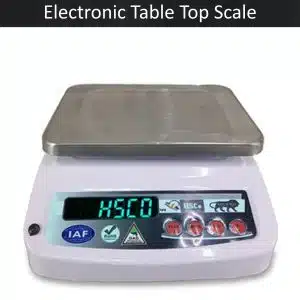
Table scales, which are also called bench scales, are small, flexible weighing devices that are often used in places where there isn’t much space. These scales are meant to sit on a table, desk, or counter, which makes them perfect for places like retail stores, medical offices, and small businesses.
Important Things About Table Scales
- Retail Stores: Weighing fruits, vegetables, and small packages to set prices.
- In medical settings, weighing people in clinics or doctor’s offices.
- Bakeries: Weighing recipe ingredients very carefully.
- Laboratories: Taking measurements of small samples for research or testing..
Table scales are a great choice if you need something that is easy to carry and works well for small items or light-duty use.
What is Platforms Scale?

Platform scales, on the other hand, are bigger and stronger scales that can handle tough jobs. Most of the time, these scales have a wide platform where you can put bigger and heavier things to weigh. In warehouses or factories where they need to weigh big shipments or heavy things, platform scales are used more often.
Things You Should Know About Platform Scales
- Bigger Weighing Surface: As the name suggests, platform scales have a wide weighing surface. Which lets them hold bigger things. This is why they are great for weighing cars, boxes, packages, and even crates.
- Heavy Duty: Platform scales can hold a lot of weight, from hundreds to thousands of kilograms or pounds. Because of this, they are great for factories, shipping companies, and warehouses.
- Strong Build: These scales are usually made of strong materials like steel or stainless steel so they can handle the weight and wear and tear of industrial settings.
- Some platform scales have more advanced features like tare functions, load cells, and digital displays. Which let you measure the contents without the weight of the containers.
Some Uses for Platform Scales
- Warehouses: Weighing heavy things, big boxes and pallets before they are sent or received.
- Shipping and logistics: Making sure that things are light enough to be sent.
- Manufacturing: Putting raw materials, parts or finished products on an assembly line and weighing them.
- Agriculture: Weighing big bags of animal feed or farm goods.
People who need to weigh bigger things and need scales that can hold a lot of weight usually use platform scales.
Main Differences Between Table Scales and Platform Scales
Now that we’ve talked about the basics of each type of scale. Let’s go over the main differences between them:
1. Table scales usually have a smaller platform and can only hold a few grams to a few hundred kilograms.
They work well for things that aren’t too heavy. Platform scales have a bigger platform and are made to hold heavier things. Some models can hold a lot of weight. These scales are great for use in business and industry.
2. Design and Ease of Use
Table scales are small, light, and made to sit on tables, counters, or desks. They’re easy to move and store, so they’re great for places with limited space. Platform scales are bigger and have a more stable design. Some of them can be moved but most of them are meant to stay in one place and do heavier-duty work.
3. Uses
Table scales are often used in stores, hospitals, and small businesses to weigh people or small objects. They are great for jobs that need accuracy but don’t need a lot of power. Platform scales are used in factories, warehouses, shipping, and other industrial settings. These scales are made to weigh bigger bulkier things and can hold a lot more weight.
4. Price Range
Table scales are less expensive, with prices ranging from a few hundred to a thousand dollars, depending on the features. Platform scales are usually more expensive because they are bigger and can hold more weight. Prices can range from a few thousand dollars to tens of thousands, depending on the model.
Which Scale Should You Choose?
What you need to weigh will help you choose between a table scale and a platform scale. Here’s a quick guide:
If you need to weigh things that are small to medium-sized, choose a Table Scale.
- You don’t have much space.
- You’re in a store or a doctor’s office that needs to be very precise and easy to move.
Choose a Platform Scale if:
- You’re dealing with big or heavy things.
- You need a scale for shipping, warehousing, or industrial use.
- You need a scale that can hold a lot of weight.
Conclusion
In short table scales and platform scales are made for different places and needs. Table scales are great for taking small, accurate measurements in the medical, retail, or food industries. Platform scales, on the other hand are made to last in industrial or commercial settings. You can make a better choice about which one is best for you. By knowing the differences between these two types of scales.
FAQs
1. Is it possible to use a table scale for big things?
Table scales are made for smaller things. A platform scale is better if you need to weigh big or heavy things.
2. Are platform scales accurate?
Yes, platform scales are very accurate and can handle heavy loads while giving you exact readings.
3. Is it possible to use a platform scale for small things?
You can use platform scales for small things, but they work best for bigger and heavier things. A table scale is better for smaller things.
4. Do table scales have screens that show numbers?
Yes, a lot of table scales have digital displays that make it easy to see how much you weigh.
5. How do I pick between a platform scale and a table scale?
It depends on what you want to weigh. For smaller, lighter things, use a table scale. For bigger, heavier things, use a platform scale.